What Breaks on Adjustable Dumbbells, and How Long You Actually Get
Adjustable dumbbells do not wear out on the plates. They fail at one small part that carries the whole load — and in 2025 that part put 111 people in a doctor's office. Here is what fails, on which mechanism, and how to read the reviews that would have told you.
This guide contains affiliate links. Buying through one costs you nothing extra and pays for the research. As an Amazon Associate I earn from qualifying purchases. How this site is funded →
You are about to spend real money on a mechanism you cannot inspect. The plates you can judge by eye. The thing that keeps them attached to the handle is sealed inside a plastic shell, and you will find out how good it is somewhere around month fourteen.
That is the part of this purchase nobody helps you with. Every roundup ranks weight range and adjustment speed, because those are printed on the box. Nobody ranks the part that decides whether you are still using these in four years.
So this guide is only about that part.
The failure that is not wear
Start with the one that already happened, because it reframes everything else.
On 5 June 2025 the US Consumer Product Safety Commission announced a recall of 3,844,200 BowFlex 552 and 1090 adjustable dumbbells — every genuine unit sold in the country, regardless of purchase date. The reason: weight plates dislodging from the handle during use. There were 337 reports of plates coming off, and 111 injuries — concussions, abrasions, contusions, broken toes.
Read that number again. Not 111 complaints about adjustment feeling stiff. One hundred and eleven people hurt, by the most popular adjustable dumbbell ever sold, over a design that had been on the market for years and reviewed thousands of times at four and a half stars.
That is the shape of the problem. Whichever design you buy, one part the size of a thumb stands between a moving plate and the floor — or your foot. It is not a wear item you replace at service intervals. There is no service interval. There is the part, and there is the day it lets go.
If you already own 552s or 1090s, they are covered whatever the age, and the remedy is a replacement or a voucher for the purchase price. BowFlex runs it at bowflex.com/dumbbell-recalls.html, and the official notice is on the CPSC site. Do that before you read the rest of this.
What actually wears out, by mechanism
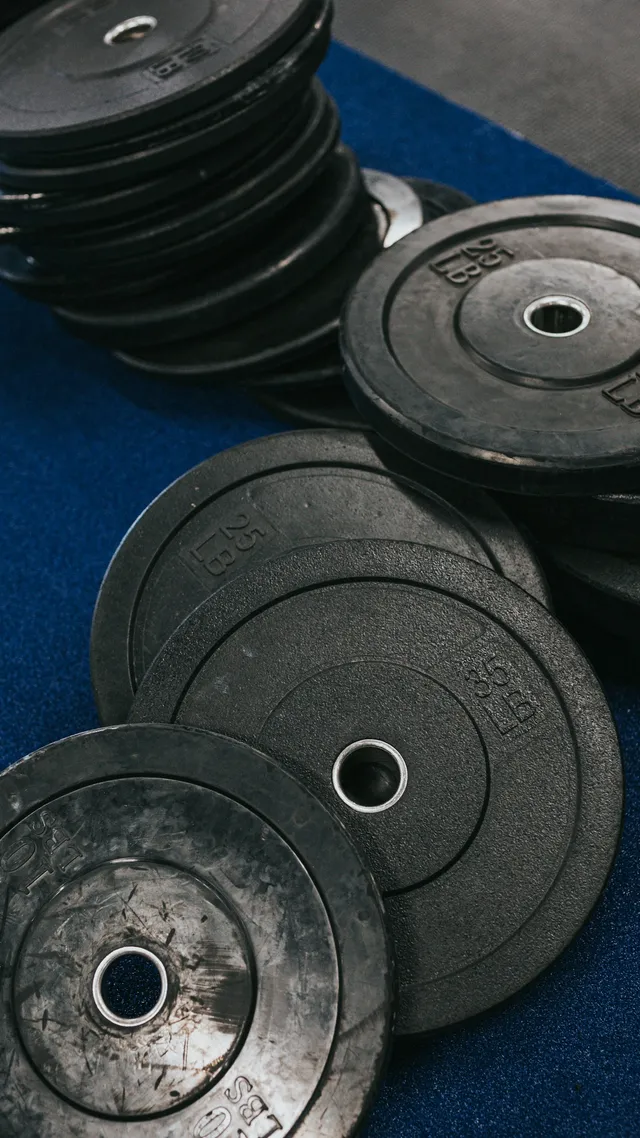
The plates are not the story. Cast iron with the paint rubbed off is cast iron that works. Owner reports at the two- and three-year mark almost never describe a failed plate.
They describe three other things, and which one you get depends entirely on which mechanism you bought.
Dial and cradle
The dial turns a retaining pin that engages a number of plates and leaves the rest in the cradle. Two things go wrong with it.
The pin is the safety-critical one, and it is what the recall was about. The other is duller and far more common: the cradle itself. It is thin moulded plastic, it takes the full weight every time you set the dumbbell down, and when it flexes the dumbbell no longer seats squarely. Owners of the current model describe exactly this — a tray that flexes as the dumbbell is returned, which then jams the locking mechanism. The dumbbell still works. Putting it away becomes a fight, and equipment that annoys you gets used less.
Pin and block
A pin slides horizontally through a stack of nested blocks. There is no dial, no spring, and almost nothing to go out of adjustment — which is why this design has the best long-run reputation of the three.
Its weak part is the pin, and it is usually plastic. Owner reports converge on two complaints: the pin feels like it will snap eventually, and — the one that matters — it is possible to seat one end of the selector on a different weight to the other. Then one side of the dumbbell is carrying plates the other side is not, and the moment you lift, the free end swings. Every set of these ships with the same instruction, and it is worth repeating: the selector clicks, or you do not lift.
Screw collar
There is nothing to break. A threaded bar, plates, two collars, and no mechanism at all — which is why the cheapest option is also the one least likely to fail structurally.
The failure here is you. A collar that is finger-tight is not tight, and forty seconds of threading between sets is exactly the tax that makes people cut corners on the last change of the session. The design does not fail. The habit does.
What the star rating cannot tell you
Here is the trap, and it caught a lot of people in 2025.
A selector mechanism is designed to be actuated thousands of times. A review written two weeks after delivery tells you the thing arrived and the dial turned. It carries the same weight in the average as a review written after four years, and there are vastly more of the former.
Worse: when a manufacturer replaces a model, the successor starts at zero reviews. A 4.7 built on a couple of hundred ratings of a set launched last year is not evidence of durability. It is evidence that the product exists and ships intact.
So read reviews the hard way. Filter to one and two stars, sort by most recent, and look only for reports at six months or later. Then check whether the model you are reading about is the one on sale — successors and recalled predecessors often share a name.
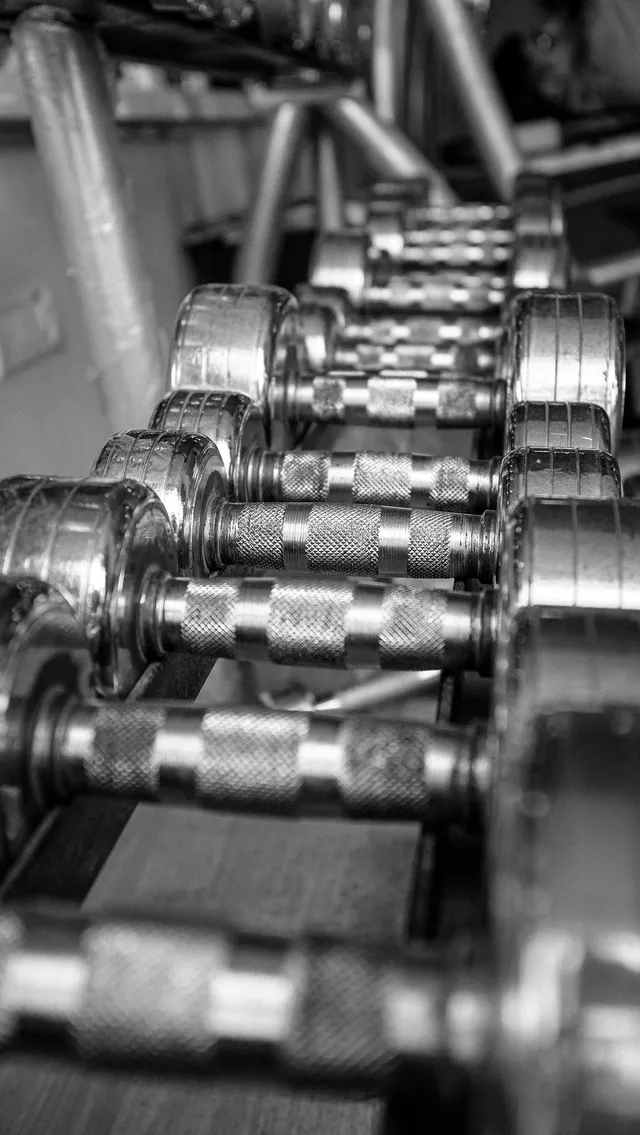
That rack in the picture is the honest comparison. Fixed dumbbells have no mechanism, no recall risk, and no failure mode worth discussing. They also cost several times as much and eat a wall, which is why almost nobody buys them. You are choosing to accept a mechanism. Choose knowing which one.
Which to buy, given all that
| Product | Mechanism | Best for | Buy |
|---|---|---|---|
| PowerBlock Sport 24Our top pick | Pin and block | Fewest parts, so fewest things to fail | Check price → |
| BowFlex Results Series SelectTech Dumbbells | Dial and cradle | Fastest to change, watch the cradle | Check price → |
| Core Fitness Adjustable Set | Dial | A dial alternative, sold by the brand not Amazon | Check price → |
| Yes4All Spinlock Set | Screw collar | Nothing to break, if you tighten it properly | Check price → |
Longest odds of outliving you
PowerBlock Sport 24
- Range
- 3–24 lb per hand
- Increment
- 3 lb
- Adjustment
- Magnetic pin
- Warranty
- 5 yr residential
What we like
- A pin through a block: no dial, no spring, no cradle to flex
- 3 lb increments, finer than any dial set at the low end
- Five-year residential warranty
- Compact enough to live under a sofa rather than in a cradle on the floor
What we don't
- The selector pin is plastic, and owners say so
- Seat one end on a different weight and the dumbbell swings — it must click
- Tops out at 24 lb per hand, which is a real ceiling
- Not expandable, unlike the larger models in the range
If 24 lb per hand is not enough — and for pressing it will not be — the dial sets go higher, and the trade you are accepting is a cradle and a spring in exchange for a three-second change. That is a defensible trade. Just buy the current model by its full name.
See the BowFlex Results Series listingWe ranked the whole category on adjustment speed, noise and increments in the adjustable dumbbell guide. If your constraint is a neighbour rather than a mechanism, start with the apartment noise guide instead.
Make yours last
- Return them to the cradle square, every time. The flex that jams a tray comes from dropping the dumbbell into it at an angle, a thousand times.
- Listen for the click. Both ends, every change. This is the whole safety procedure.
- Never adjust while the handle is off the base. Every dislodging report starts here.
- Do not set them down under load. These are not drop weights, at any price.
- Check the collar thread monthly on screw-collar sets. Cross-threading is silent until it is not.
- Register the product. It is the only way a recall reaches you instead of reaching a review page you never read.
Questions people ask
How long do adjustable dumbbells actually last? Owner reporting suggests the mechanism, not the plates, sets the limit, and the reports cluster after the first year rather than in the first month. Nobody publishes a cycle count, so treat any specific number you read — including from us — as an estimate rather than a spec.
Are the recalled BowFlex dumbbells safe if mine have never dropped a plate? The recall covers all genuine 552 and 1090 units in the US regardless of condition. That is the manufacturer’s own position, not ours.
Is the current BowFlex model affected? No. The Results Series is the successor and is offered as one of the remedies to recalled owners. The names are close enough that it is worth checking the listing before you buy.
Does paying more buy durability? Not reliably. The recall covered the most expensive mainstream option in the category. Mechanism count is a better predictor than price.
Is a screw-collar set more durable? Structurally, yes — there is no mechanism to fail. Whether you keep using something that takes forty seconds per change is a different question, and it is the one that decides value.
Recall figures are the CPSC’s published numbers from its 5 June 2025 notice, and the remedy detail is BowFlex’s own. Product specifications are the manufacturers’ published figures, checked against the live listings on 27 August 2026. Failure patterns are drawn from aggregated owner reporting, not from testing — we do not buy or use this equipment, and where a claim is our reading rather than a published fact, it says so. If something here stops matching the listing, tell us and we will correct it. More on the method in how we research, and more in Strength Equipment.
Specifications here are checked against the live listing on the date shown, and figures we derive ourselves are labelled where they appear.
How we research →